Category: Uncategorized

  • Crimson Desert: The Witcher Meets Dragon’s Dogma, But Can Your PC Handle It?

    After spending a brutal, sleepless 45 hours wandering the unforgiving continent of Pywel—living entirely on cold coffee and sheer adrenaline—I have finally rolled the credits on one of the most mechanically dense action RPGs of the decade. Coming from Pearl Abyss (the devs behind Black Desert), I went into this expecting flashy combat but a shallow soul. I expected an MMO disguised as a single-player game.

    Man, am I glad to be proven wrong. Crimson Desert is a staggering, single-player epic that actively hates casual players, demands mechanical mastery, and will absolutely melt your graphics card. Here is my completely un-casual breakdown.

    Combat Architecture: Peak Frame-Data Heaven

    Let’s skip the fluff and go straight to the best part of the game: the combat. If you play ARPGs just to mash one button and watch pretty animations, go back to Assassins Creed. Crimson Desert does not hold your hand.

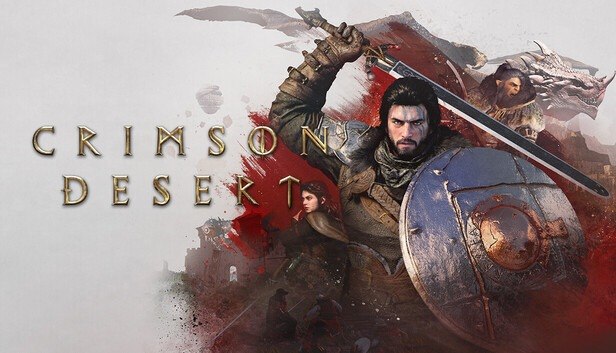
    The combat engine is a beautiful, chaotic hybrid of Dragon’s Dogma, The Witcher, and classic fighting game mechanics. You play as Macduff, a grizzled mercenary leader, and every swing of his sword feels like it has actual physical weight.

    • The Combo System: It’s all about timing, directional inputs, and physics. You aren’t just locking onto an enemy and hitting “X”. You are actively parrying, executing wrestling-style suplexes on armored guards, throwing enemies off cliffs, and chaining together heavy environmental attacks.
    • Boss Fights: The boss encounters are absolute tests of skill. They require you to read telegraph frames, manage your stamina perfectly, and use the environment to climb giant monsters like you’re playing Shadow of the Colossus.

    The World: Pywel is Beautiful, Brutal, and Poorly Optimized

    Visually, Crimson Desert is a literal benchmark title. The BlackSpace Engine is pushing boundaries that make Unreal Engine 5 look sweat. The weather systems are dynamic and directly affect gameplay; if you get caught in a blizzard in the northern mountains, your stamina regenerates slower, your character shivers, and your movement is physically impaired by deep snow.

    The world feels alive. Mercenary factions clash in the wilderness without player intervention, villages get raided by mythical creatures in real-time, and the verticality of the world is insane—especially once you unlock the ability to traverse using mythical beasts.

    However, we need to address the elephant in the server room: the optimization. If you aren’t running a high-end rig with DLSS or FSR enabled, your frame rate is going to tank in the major city hubs. I noticed some heavy CPU bottlenecking during massive castle siege segments, with frames dipping down into the mid-40s even on an enthusiast-grade setup. Pearl Abyss needs to push a stability patch ASAP because the current optimization is a crime against PC purists.

    Final Score: 9.0 / 10

    The Bottom Line: Crimson Desert is a triumphant, deeply rewarding hardcore RPG. It features some of the most complex, satisfying real-time combat I have ever experienced in an open-world game. It loses a point for its brutal PC optimization and some clunky menu UI design, but if you have the hardware to run it and the patience to learn its deep mechanics, this is an absolute must-play.

    Lock yourself in your room, brace your GPU for impact, and go experience Pywel. Just don’t expect it to be easy.

    Did you guys manage to beat the White Horn boss on your first try, or did you die twenty times like a casual? What are your thoughts on the BlackSpace engine’s performance? Let’s argue in the comments below!
    Leave a Reply

    Your email address will not be published. Required fields are marked *

  • Battlefield 6: A Triumphant Return to the Sandbox, Or Just Another Live-Service Mirage?

    Alright squad, fill your ammo crates and lock in. It’s time to talk about Battlefield 6.

    After spending the last 72 hours straight in my gaming rig—sacrificing sleep, sunlight, and basic hygiene—I’ve finally racked up enough hours across the standard rotation to give you a definitive, completely un-casual review. As someone who has been here since BF2, who remembers the glorious chaos of Bad Company 2 destruction, and who actively tries to forget the launch state of 2042, I approached this game with extreme trauma and deep skepticism.

    Did EA and DICE actually fix the franchise, or are we looking at another over-promised live-service disaster? Here is the raw, un-hyped truth.

    The Scale: 128 Players That Actually Work

    Let’s start with the big one: the map design and player count. DICE decided to stick with the massive player lobbies, but this time, they actually hired level designers who understand the concept of “cover”.
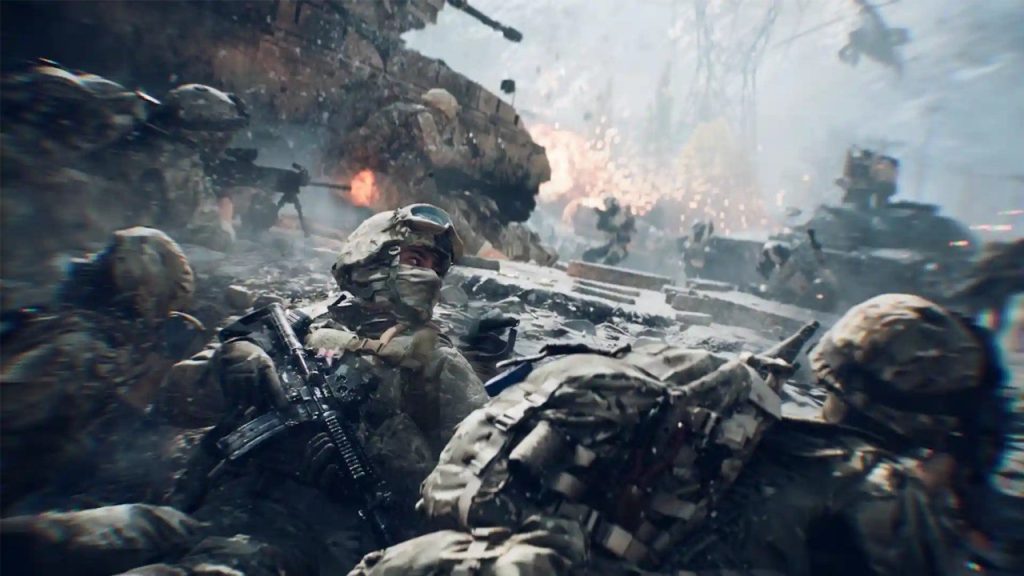
    The maps in BF6 aren’t just giant, empty fields of flat grass. They are masterfully split into distinct tactical sectors. You can be fighting a claustrophobic, infantry-only battle inside a multi-level brutalist skyscraper in one sector, while literal armored warfare is tearing up the outskirts 500 meters away.

    The flow of the matches feels like classic Battlefield. Frontlines naturally form, break, and shift. For the first time in years, I felt like a small cog in a massive, beautifully chaotic war machine rather than just a target in a random deathmatch.

    Gunplay & Class System: The Holy Trinity Restored

    Thank the gaming gods, Specialists are dead and buried. DICE listened to the community and brought back the rigid, traditional 4-Class System (Assault, Engineer, Support, Recon). Teamwork is mandatory again. If you don’t run a torch as an Engineer, your armor dies. If you don’t drop crates as a Support, your squad runs dry. Simple as that.

    The gunplay feels heavy, tactile, and deeply satisfying:

    • Time-to-Kill (TTK): It’s in a perfect sweet spot. It’s fast enough to reward flank attacks and frame-perfect aim, but slow enough to allow a skilled player to slide into cover and fight back.
    • Recoil Patterns: They are deterministic and predictable. You can actually learn weapon behavior and master spray control instead of praying to a random bullet deviation god.

    My only technical complaint right now is the vehicle-to-infantry balance. The attack helicopters feel slightly overtuned in the current build—their countermeasure reload cycle is a bit too fast, making them oppressive if a high-skill pilot is sweating in your lobby. Expect a nerf in patch 1.1.

    Final Score: 8.8 / 10

    Get your squad together, pick your class, and I’ll see you on the frontline. Just make sure you drop the damn ammo boxes.

    Are you guys glad the traditional class system is back, or do you miss the flexibility of specialists? Which map is your favorite so far? Drop your thoughts and platform tags in the comments below, let’s squad up!

    Leave a Reply

    Your email address will not be published. Required fields are marked *

  • Resident evil

    Alright, faction, grab your green herbs and lock the doors. It’s time for a real talk.

    After spending a consecutive 34 hours in my gaming chair—subsisting entirely on instant ramen and cold brew—I have finally rolled the credits on the latest Resident Evil installment. As someone whose steam profile is basically a shrine to Shinji Mikami, and who still unironically considers the original 1996 tank controls to be peak game design, I went into this with my skepticism slider turned all the way up to 100.

    Is it actually a survival horror masterpiece, or is Capcom just recycling assets to print money? Here is my definitive, completely un-casual breakdown.

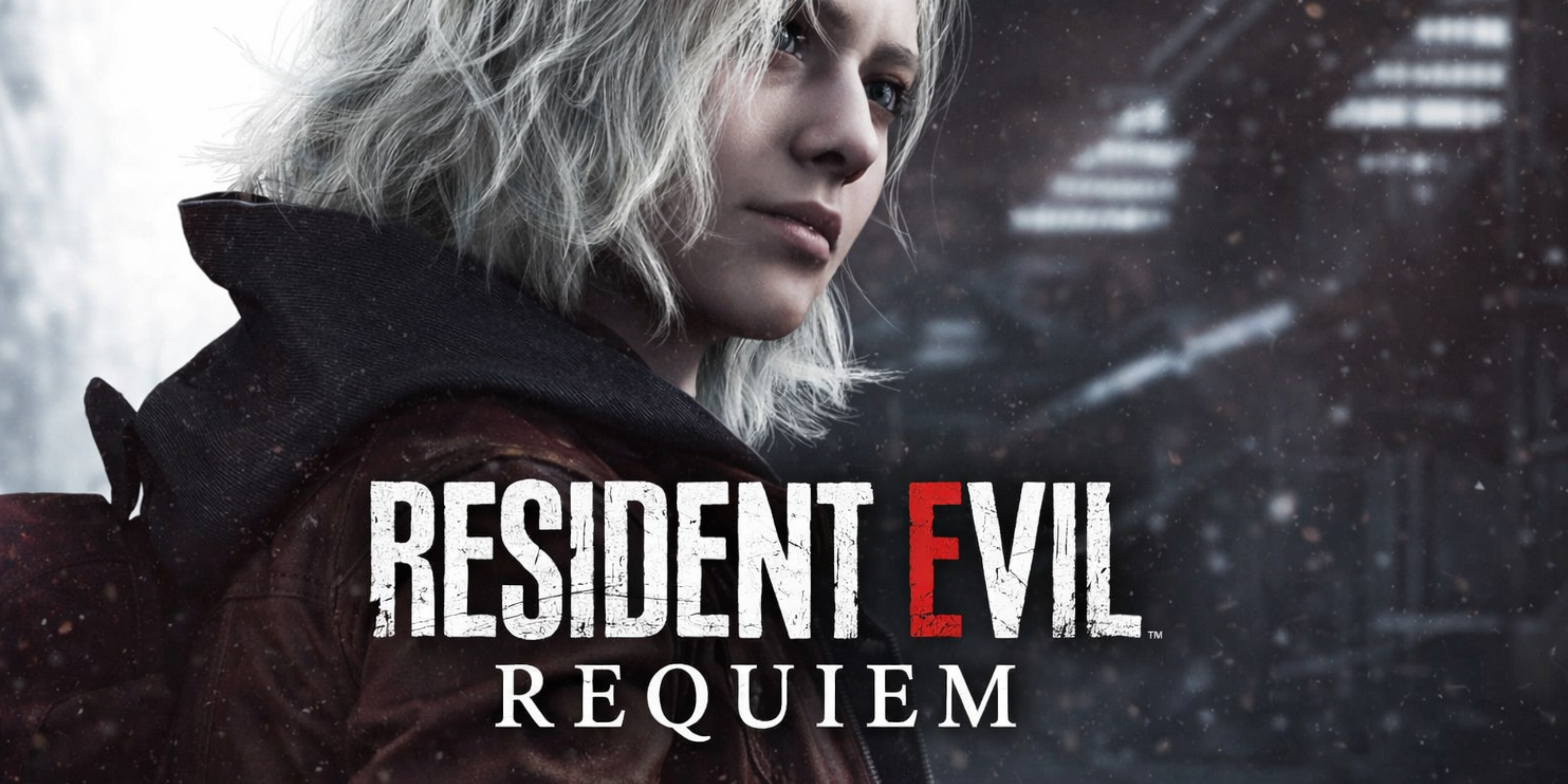
    Resident Evil 9: Requiem is the latest installment in the beloved and highly respected survival horror franchise, released as part of the series’ 30th anniversary celebration. After playing the game twice, I can confidently say that it marks another significant step in the long-running evolution of the franchise. The game embraces an eclectic approach by introducing two protagonists, each following a distinct journey with its own atmosphere, tone, and gameplay style. This dual-character structure allows Requiem to deliver both intense psychological horror and action-driven moments, creating a varied and engaging experience for longtime fans and newcomers alike.

    For the first time in the series, players take control of Grace Ashcroft, a young FBI agent haunted by a traumatic past. Inexperienced and vulnerable, she becomes the victim of a mysterious abduction and awakens deep within a secluded mountain complex. With few resources and no one to trust, Grace must overcome her fears, uncover the truth behind her captivity, and fight to survive as she searches for a way out of the nightmare. Grace’s campaign returns to the franchise’s roots, emphasizing exploration, resource management, and psychological tension. Players will navigate a claustrophobic mansion packed with intricate puzzles, cryptic riddles, and hordes of flesh-hungry undead. Yet beneath this familiar formula lies a terrifying twist: the zombies are no longer the slow and mindless creatures veterans remember. Something has changed, and every encounter threatens to become a desperate fight for survival.

    While Grace’s campaign emphasizes vulnerability and survival horror, Leon’s offers a stark contrast. As a seasoned veteran and one of the franchise’s most beloved protagonists, he is equipped with the skills and confidence to confront threats head-on, delivering a more action-focused experience. This dual-protagonist gameplay formula, featuring two distinct characters with unique playstyles, successfully caters to both fans of the classic survival-horror formula and those who prefer the more action-oriented gameplay popularized by Resident Evil 4.

    From a technical standpoint, the game is fantastic. The RE Engine proves once again why it remains one of the industry’s most impressive game engines. Character models are highly detailed, environments are rich with atmospheric effects, and the lighting system does an excellent job of enhancing both the horror and action sequences. Performance remains stable throughout the experience, with fast loading times and smooth animations contributing to an immersive presentation. Combined with outstanding sound design and a haunting soundtrack, the game’s technical execution consistently reinforces the tension and atmosphere that define the Resident Evil series.

    Overall Rating: 9/10

    Ultimately, Resident Evil 9: Requiem is a confident step forward for the franchise. It respects the series’ past while introducing enough new ideas to justify its place as the next major chapter in Resident Evil’s evolution. Whether you’re a veteran fan or a newcomer, this is an experience that deserves attention.